
Some of the links on this page may be affiliate links. As an Amazon associate, I earn from qualifying purchases. There is no additional cost to you when you make a qualifying purchase via an affiliate link. Click here for the full affiliate disclosure.
From Innerspring to Organic: The Ultimate Guide to Understanding Mattress Types So You Can Get A Good Night’s Rest
Buying a new mattress is a big investment in your sleep and health, and with so many options, it can feel overwhelming knowing where to start. Mattress types 101 breaks it down, so you can compare the classic bounce of innerspring with the contouring comfort of memory foam, the breathability of latex, and the versatility of hybrids. Understanding the pros and cons of each mattress type helps you find the right fit for your sleep style.
The best kind of mattress depends on your body, your sleep style, and your health needs, not just the latest trend or biggest price tag.
✅ On this page you’ll find:
- The most common mattress types explained
- Which mattress types work best for back, side, and stomach sleepers
- A summary of certifications and seals that confirm safety and quality
- A quick mention of specialty mattresses for cribs, kids, and RVs
- Our picks for the best mattresses made in the USA
🛏️ Perfect for:
- Couples comparing mattress types like memory foam vs hybrid
- Sleepers with back, joint, or pressure point pain
- Parents shopping for safe crib or organic mattresses
- RVers who need specialty mattresses and custom sizes
- Anyone looking for American-made quality and trust
Mattresses aren’t one-size-fits-all. What feels supportive to a back sleeper might leave a side sleeper sore, and what works for one couple may not work for another. By comparing the different mattress types, their pros and cons, and who they’re best for, you’ll be able to match your bed to your body and your sleep habits.
🏷️ Save 15% on Naturepedic
Use this link and enter code USAMATTERS at checkout.
Understanding Mattress Types: Discover Which Mattress Is Right for You
Mattress shopping gets easier once you know the basics. There’s no single “best mattress” for everyone, which is why so many options exist. Each kind of mattress, from innerspring to pocket coil to memory and gel foam to latex to hybrid, has its own feel, strengths, and drawbacks.
Being able to compare the pros and cons of mattress types helps you narrow down your choices and find the one that fits your sleep style, your budget, and your long-term comfort. Below, we’ll compare the most common options so you can see how they stack up and decide which is the best fit for your sleep.
Innerspring Mattresses: Classic Support That Lasts
Innerspring mattresses are the most traditional style, built with a steel coil system that delivers firm, consistent support. They’ve been around for generations and remain one of the most popular mattress types thanks to their durability and bounce. Many models include layers of padding or pillow tops for added comfort, while still maintaining that resilient, supportive feel.
Benefits of innerspring mattresses:
- Strong coil support keeps the spine aligned
- Breathable design allows more airflow than foam
- Affordable and widely available across twin, queen, and king mattress types
Pros: Affordable, breathable, bouncy, and widely available
Cons: Can feel too firm, less pressure relief, may sag over time
💡 Consideration: Standard innerspring mattresses can feel too firm for side sleepers or those with pressure point pain.
Innerspring mattresses remain a reliable, budget-friendly option and are especially good for those who like bounce and airflow in their bed.
Pocket Coil Mattresses: Targeted Support and Less Motion Transfer
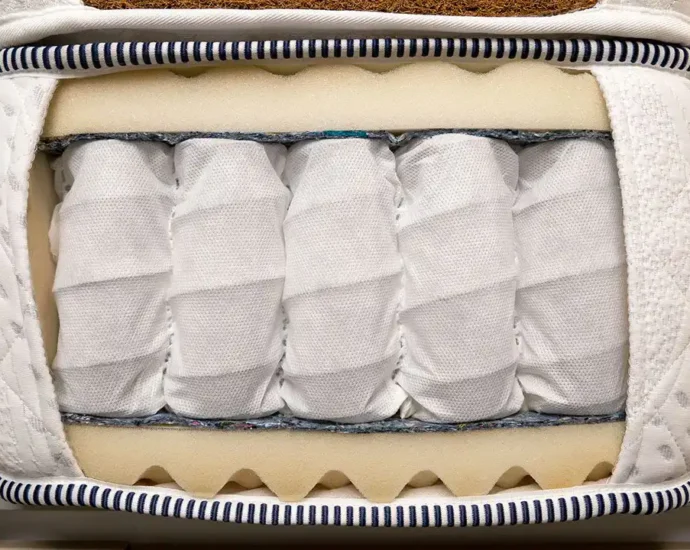
Pocket coil mattresses are a modern take on the innerspring mattress type, with coils individually wrapped in fabric instead of connected together. This allows each coil to move independently, reducing motion transfer and giving tailored support where your body needs it most.
Benefits of pocket coil mattresses:
- Reduced motion transfer, ideal for couples
- Targeted support for spine and pressure points
- Better durability compared to traditional innerspring
Pros: Supportive, less motion transfer, durable design
Cons: Can be heavier, less airflow than open coil systems, may cost more
💡 Consideration: The number of coils and quality of wrapping fabric impact performance. Higher coil counts generally provide better comfort and support.
Pocket coil mattresses are among the best mattress types for couples, since they combine strong support with minimal disturbance from a partner’s movements.
Memory Foam Mattresses: Contouring Comfort and Pressure Relief
Memory foam mattresses mold to your body, responding to heat and pressure to create a custom contour that supports every curve. This makes them a favorite for people with back or joint pain, since they reduce pressure points and provide even weight distribution. They also absorb movement, so couples can sleep without disturbing each other.
Benefits of memory foam mattresses:
- Contours to the body for targeted pressure relief
- Reduces motion transfer, ideal for couples
- Available in cooling designs for hot sleepers
Pros: Excellent pressure relief, great for side sleepers, absorbs motion
Cons: Can trap heat, less bounce, may off-gas if not CertiPUR-US certified
💡 Consideration: Traditional memory foam traps heat, but gel foam and breathable covers improve airflow.
For shoppers comparing mattress types pros and cons, memory foam mattresses are one of the best mattress types for side sleepers and pressure relief.
Gel Foam Mattresses: Cooling Comfort with Extra Support
Gel foam is a type of memory foam mattress enhanced with gel capsules, beads, or swirls that help regulate temperature and add bounce. This design reduces the “stuck” feeling of traditional foam and helps hot sleepers stay cooler at night.
Benefits of gel foam mattresses:
- Cooling technology helps regulate temperature
- Responsive feel compared to standard memory foam
- Pressure-relieving support for joints and spine
Pros: Cooler than traditional foam, good for pressure relief, responsive feel
Cons: Quality varies by brand, may still trap some heat, more expensive than basic memory foam
💡 Consideration: Not all gel foam is created equal. Look for mattresses with breathable covers and certifications like CertiPUR-US for healthier materials.
Gel foam mattresses are a smart choice for people who like the contouring of memory foam but want a cooler, more supportive sleep surface.
Latex Mattresses: Natural, Breathable, and Durable
Latex mattresses are made from natural rubber tree sap or synthetic blends, and they’re known for being supportive, responsive, and incredibly durable. Unlike memory foam, latex has a buoyant feel that keeps you “on” the mattress rather than sinking deeply into it. They’re naturally hypoallergenic, resistant to dust mites and mold, and an excellent choice for eco-conscious shoppers.
Benefits of latex mattresses:
- Naturally breathable and temperature regulating
- Resistant to dust mites, mold, and allergens
- Highly durable, often lasting longer than other mattress types
Pros: Hypoallergenic, very durable, responsive support
Cons: Heavy to move, higher price point, can feel firmer than foam
💡 Consideration: Latex is more expensive, and natural latex is heavier than foam or innerspring designs.
If you want one of the healthiest kinds of mattresses with durability and eco-friendly materials, latex mattresses are hard to beat.
Hybrid Mattresses: The Best of Both Worlds
Hybrid mattresses combine a supportive innerspring coil system with comfort layers of foam, latex, or organic fibers. This gives you the airflow and bounce of a spring mattress with the contouring pressure relief of foam or latex. Hybrids are versatile, making them a popular choice for couples who have different sleeping styles.
Benefits of hybrid mattresses:
- Balanced support for back, side, and stomach sleepers
- Better airflow than all-foam mattresses
- Available in a wide variety of mattress types for back pain
Pros: Versatile comfort, good airflow, pressure relief plus support
Cons: Heavier, more expensive, quality varies widely by brand
💡 Consideration: Hybrids are often heavier and pricier than single-material mattresses.
For shoppers looking for the best kind of mattress for couples or combination sleepers, hybrid mattresses offer balanced comfort across all sleep styles.
Organic Mattresses: Safe, Sustainable, and Certified
Organic mattresses use certified organic materials like cotton, wool, and latex to create a healthier sleep surface. They’re made without chemical flame retardants or harmful toxins, and many carry certifications that prove their safety and sustainability. Organic options are especially popular with families, parents, and anyone with allergies or chemical sensitivities.
Benefits of organic mattresses:
- Certified organic materials for health and sustainability
- Naturally breathable and moisture wicking
- Hypoallergenic and resistant to allergens
Pros: Non-toxic, eco-friendly, breathable, safe for kids and adults
Cons: Higher cost, fewer models available in some sizes like king mattress types
💡 Consideration: Organic certifications like GOTS, GOLS, and GreenGuard Gold prove long-term value and safety.
For eco-conscious buyers, organic mattress options are the best mattress types for health and sustainability, especially for families and kids.
Vegan Mattresses: Ethical and Animal-Free Sleep
Vegan mattresses are designed without wool, silk, cashmere, or other animal-based materials. Instead, they use organic cotton, plant-based latex, and synthetic fire barriers to meet safety standards while staying completely animal-free. Many vegan options overlap with organic mattress lines, giving eco-conscious shoppers the best of both.
Benefits of vegan mattresses:
- Free from all animal-derived materials
- Often organic, eco-friendly, and non-toxic
- Ethical choice for conscious consumers
Pros: Cruelty-free, sustainable, often organic-certified
Cons: Fewer models available, may be pricier, limited luxury options
💡 Consideration: Always confirm bedding certifications like GOTS, GOLS, or GreenGuard to ensure vegan mattresses meet strict health and sustainability standards.
Vegan mattresses appeal to buyers who value ethical production and want the benefits of organic materials without animal products.
Adjustable Air Mattresses: Customizable Comfort
Adjustable air mattresses let you control firmness by inflating or deflating internal air chambers. Many models include dual zones, allowing couples to choose different firmness levels on each side of the bed. This flexibility makes them an appealing option for sleepers with chronic pain or couples who can’t agree on mattress firmness.
Benefits of adjustable air mattresses:
- Adjustable firmness to match your comfort needs
- Dual-zone options for couples
- Useful for managing back pain or pressure relief
Pros: Customizable, great for couples, can reduce pain and pressure points
Cons: Expensive, mechanical parts may need repair, less traditional “bed feel”
💡 Consideration: Adjustable air mattresses are generally more expensive and rely on mechanical parts that may require maintenance.
If you’re comparing mattress types for back pain or sharing a bed with a partner who prefers a different firmness, adjustable air mattresses give unmatched flexibility.
Mattress Firmness: Finding the Right Feel
Mattress firmness describes how soft or hard a bed feels, and it’s usually rated on a scale from 1 to 10, with 1 being ultra-plush and 10 being extra-firm. Most mattresses fall between 3 and 8 on this scale.
- Soft (3–4) – Plush and cushioning, great for side sleepers who need pressure relief at the shoulders and hips.
- Medium (5–6) – The most popular range, offering balanced support and comfort. Works well for combination sleepers or couples with different sleep styles.
- Medium-Firm (6–7) – Recommended for back sleepers and many with back pain, as it keeps the spine aligned.
- Firm (8–10) – Provides strong support with minimal sink. Ideal for stomach sleepers or heavier individuals who need extra stability.
💡 Consideration: Firmness is subjective. What feels medium-firm to one sleeper may feel soft to another, so testing a mattress, or choosing one with a good return policy, can make all the difference.
Mattress Thickness: How Much Does It Matter?
Mattress thickness, or profile height, usually ranges from 6 inches to 15 inches or more, and it plays a bigger role in comfort than many shoppers realize. Thickness affects how supportive a mattress feels, how long it lasts, and even how it fits with your bed frame and sheets. The right choice depends on your body type, sleep style, and whether you’re shopping for a child, adult, or specialty bed like an RV or bunk.
- 6–8 inches – Common for kids’ mattresses, bunk beds, trundles, and daybeds. These slimmer designs fit specialty frames but often lack the support adults need.
- 9–12 inches – The most popular range for standard mattress types. Strikes a balance between comfort, support, and price, making it suitable for most sleepers.
- 13–15 inches and up – Found in luxury and high-end mattresses, where extra layers add plush comfort and durability. They often need deep-pocket sheets and can be harder to move.
💡 Consideration: Thicker does not always mean better. What matters most is the mattress construction inside. A high-quality 10-inch mattress can outperform a cheaply made 15-inch model when it comes to comfort and longevity.
Find Your Sleep Solution: The Best Type of Mattress for Every Sleeper
Your sleep position is just as important as the type of mattress you choose. Even the best mattress made in the USA won’t feel right if it doesn’t fit your body’s needs. By matching your mattress to your sleep style, you’ll improve comfort, reduce aches and pains, and wake up more refreshed.
Best Type of Mattress for Back Sleepers
Back sleepers need a balance of comfort and support to keep the spine in alignment. A medium to medium-firm mattress usually provides the right mix, preventing the hips from sinking while still cushioning the shoulders.
- Medium to medium-firm support keeps the spine aligned.
- Too firm can create pressure points and pain.
- Memory foam or hybrid mattresses often provide the best balance.
Back sleepers tend to do best with hybrids for balanced support or memory foam for contouring comfort. The key is avoiding extremes, too soft lets the back sag, and too firm creates pressure.
Best Type of Mattress for Side Sleepers
Side sleepers place more weight on their hips and shoulders, which makes pressure relief a top priority. A softer mattress cushions these points while still keeping the spine aligned.
- Softer surfaces help cushion shoulders and hips.
- Pressure relief prevents sore spots.
- Memory foam or plush hybrid mattresses are excellent choices.
For side sleepers, memory foam mattresses excel because of their contouring feel, while plush hybrids offer a good mix of support and softness. If pressure points are a problem, this is the sleep style that benefits most from a softer surface.
Best Type of Mattress for Stomach Sleepers
Stomach sleepers need firmer support to prevent the spine from arching unnaturally. A mattress that’s too soft can cause back pain, while a firmer surface keeps the body level.
- Firm support keeps the spine from arching.
- Innerspring or firm hybrid mattresses work well.
- A cushioned top layer can reduce pressure without sagging.
For stomach sleepers, a firm innerspring mattress is often the most supportive, while a hybrid mattress with a firm core and soft comfort layer adds pressure relief. The goal is a surface that keeps the midsection lifted without feeling like a board.
💡 Consideration: Firmness is subjective. What feels like “extra firm” to one sleeper may feel “medium” to another, so always test when possible, or buy from a brand that offers a generous trial period.
Mattress Certifications You Should Know
Many American-made mattress brands carry trusted certifications that verify safety, sustainability, and transparency. These certifications represent independent testing that confirms how a mattress is made, what materials it contains, and whether it meets strict health and environmental standards.
A label can tell you if cotton was grown organically, if latex is certified natural, if foam is free from harmful chemicals, or if the mattress has been tested for low indoor emissions.
For shoppers comparing mattress types pros and cons, certifications add another layer of confidence. They help you separate genuine quality from greenwashing, making it easier to find a safe, non-toxic, and durable mattress that aligns with your health and values.
- GOTS – Global Organic Textile Standard for organic cotton and fabrics
- GOLS – Global Organic Latex Standard for natural latex
- OCS – Organic Content Standard for raw materials
- CertiPUR-US – Confirms polyurethane foam is free from harmful chemicals
- GreenGuard & GreenGuard Gold – Ensures low emissions and safer indoor air
- Made Safe & EWG Verified – Strict screening against toxic substances
- Oeko-Tex Standard 100 – Tests all components for chemical safety
👉 For the full breakdown, see our guide: Bedding Certifications 101: From Organic Standards to Air Quality
Compare the Leading American-Made Mattress Brands
Mattress types, thickness, firmness, and certifications are only part of the picture. Many American-made mattress companies go the extra mile by combining certified organic cotton, natural latex, or CertiPUR-US foam with careful craftsmanship here in the United States. The result is a mattress that not only carries the right seals of approval but also supports American jobs and delivers long-term comfort.

Eco Terra
Eco Terra produces hybrid latex mattresses free of polyurethane and toxic chemicals, using GOLS-certified organic latex, GOTS-certified cotton covers, and natural wool fire barriers.
Their models range from the 11″ Hybrid Latex Mattress in medium or firm, to the Eco Bliss foam and latex blend, giving shoppers options for responsiveness, cooling, and support.
With certifications including CertiPUR-US, GreenGuard Gold, Oeko-Tex, GOTS, and GOLS, Eco Terra delivers eco-conscious comfort across mattress types, from hybrids to latex-foam designs, in standard and specialty sizes.

My Green Mattress
My Green Mattress specializes in organic mattress types for the whole family, from breathable crib mattresses to supportive kids’ beds and luxurious latex hybrid designs for adults.
Their bestsellers include the Natural Escape hybrid, the Kiwi Organic with pocketed coils and latex, and the Emily Organic crib mattress. Every mattress is handcrafted in Illinois and certified by GOTS, GOLS, and GreenGuard, ensuring non-toxic materials and chemical-free flame protection with natural wool.
With a wide selection of organic models, My Green Mattress has safe, supportive options for every stage of life.

Naturepedic
Naturepedic is known as the first EWG-verified mattress brand and has won multiple Good Housekeeping awards for its innovation in safe, sustainable sleep.
Their collections range from affordable organic innerspring models like the Serenade to the customizable EOS organic latex hybrids, and the luxurious Halcyon line with alpaca and cashmere.
In addition, Naturepedic produces organic kids’ mattresses and breathable crib mattresses in standard and specialty sizes, all crafted with GOTS- and GOLS-certified materials, and verified by GreenGuard and MADE SAFE.
Naturepedic stands out for offering latex-free and vegan options, making it one of the most versatile organic mattress companies in the USA.
PlushBeds
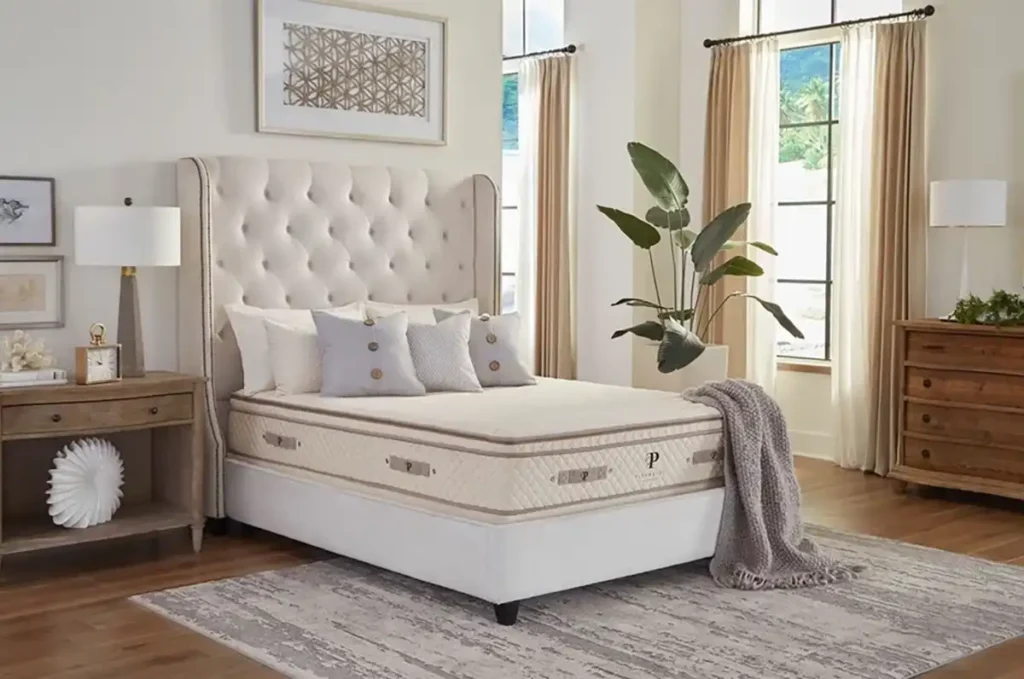
PlushBeds handcrafts a wide variety of organic mattress types, including latex, hybrid, cooling gel, vegan, kids’, and RV mattresses.
Using sustainable materials like organic cotton, wool, and latex, their products carry GOLS, GOTS, USDA Organic, GreenGuard, eco-INSTITUT, and Forest Stewardship Council certifications.
PlushBeds offers multiple firmness levels, heights, and specialty sizes such as split king and RV short queen, giving buyers more ways to match comfort with lifestyle.
Recognized by Better Homes & Gardens, Good Housekeeping, and Women’s Health, PlushBeds has become one of the most awarded and trusted names in eco-friendly mattresses.
The best mattresses made in USA combine safe materials like organic cotton, wool, and latex with the skill of American craftsmen, delivering healthier sleep and long-lasting quality.
👉 To explore every option in one place, see Mattresses Made in USA | Wow! 50+ American-Made Mattress Brands.
Specialty Mattress Types: Crib, Kids, and RV Mattresses
Not every mattress is designed for a standard bedroom. Families often need specialty mattress types built for cribs, kids’ bunks or trundles, and RVs. These mattresses serve unique purposes but share the same priorities: safety, comfort, and durability. Check out our guides to some types of specialty mattresses.
Crib Mattress Types: Cribs, Bassinettes, Pack ‘n Plays, Cradles and Custom Shapes
If you’re shopping for a crib mattress, safety becomes the top priority. The best crib mattresses are firm enough to support safe infant sleep, made with breathable and often organic materials, and verified by trusted certifications like GOTS, GOLS, and GreenGuard Gold. Parents can choose from several crib mattress types, including innerspring, foam, hybrid, and fully organic designs, each with its own benefits for comfort and peace of mind.
👉 For details, check out our full guide: Crib Mattresses Made in USA | A Safer, Healthier Choice for Baby
Kids’ Mattress Types: Bunks, Trundles, and Other Specialty Mattresses for Children
Children often need specialty mattress types beyond the standard twin or full, and common kids’ mattress types include bunk bed mattresses, trundle mattresses, and daybed mattresses. These mattresses are usually thinner than adult versions, but still need to provide proper support for growing bodies. When choosing a kids’ mattress, look for safe materials, firm support, and certifications like CertiPUR-US, GreenGuard Gold, or GOTS.
👉 See more in our complete directory: Cozy Nights & Happy Mornings: Kids Mattresses Made in USA
RV Mattress Types: Short Queen, King, and Custom Sizes for the Adventurers
Sleep quality matters on the road, too, and the right kind of RV mattress can make your camper feel more like home. Unlike standard sizes, RV mattresses often come in shorter or narrower dimensions, with options like RV queen, RV king, and bunk sizes. Many American-made RV mattresses are available in the same styles as home beds, including innerspring, memory foam, and hybrid, with some brands offering custom sizing so you can upgrade comfort without sacrificing fit.
👉 For more, check out our full guide: RV Mattresses Made in USA: A Dreamy Upgrade for Your Camper
📌 Frequently Asked Questions About Mattress Types
Mattresses come in many styles, each designed for different comfort levels, sleep positions, and health needs. Choosing the right one depends on whether you prefer bounce, contouring, breathability, or natural materials. Below, you’ll find answers to the most common questions about mattress types, fillings, durability, and certifications so you can compare options with confidence.
General Mattress Questions
Q: What are the different types of mattresses?
A: The main mattress types are innerspring, memory foam, latex, hybrid, organic, and adjustable air. There are also specialized options like crib mattresses and RV mattresses.
Q: Which type of mattress should I choose?
A: It depends on your sleep position, firmness preference, and body type. Back and stomach sleepers usually need more support, while side sleepers benefit from softer, pressure-relieving surfaces.
Q: What type of mattress is best?
A: The best mattress is the one that fits your comfort needs and health priorities. Memory foam supports pressure points, latex offers breathability and durability, and innerspring provides bounce and airflow.
Mattress Comparisons
Q: Is a foam or spring mattress better?
A: Foam mattresses contour to the body and absorb motion. Spring mattresses provide firmer support and better airflow. Many shoppers choose hybrid mattresses for a balanced feel.
Q: Which mattress is better, orthopedic or spring?
A: Orthopedic mattresses are marketed for extra-firm support, but real benefits vary. Spring mattresses may feel softer and bouncier. Focus on proper support, not just labels.
Mattresses for Health & Comfort
Q: What kind of mattress is best for your back?
A: A medium-firm mattress is often recommended for back support, helping keep the spine aligned without sagging. Hybrid and latex mattresses are popular for this balance.
Q: What kind of mattress is best for hot sleepers?
A: Latex, innerspring, and hybrid mattresses are the most breathable. Cooling options like organic cotton covers or gel-infused foam also help reduce heat retention.
Q: What kind of mattress is best for back pain?
A: A mattress with targeted support and pressure relief is best. Many people choose hybrid mattresses (support + contouring) or latex mattresses (even, buoyant support).
Q: What kind of mattress is best for hip pain?
A: Softer comfort layers are ideal. Memory foam or plush hybrid mattresses cushion pressure points for side sleepers with hip pain.
Q: What is the healthiest type of mattress to sleep on?
A: The healthiest mattresses are made with organic or certified safe materials. Look for certifications like GOTS, GOLS, GreenGuard Gold, Oeko-Tex, or CertiPUR-US. See our full guide: Bedding Certifications 101: A Guide to Organic, Chemical, and Air Quality Standards
Mattress Materials & Durability
Q: What is the best filling for a mattress?
A: Memory foam provides contouring, latex is breathable and long-lasting, and innerspring coils give strong support. Natural options like organic cotton, wool, or latex are healthier choices.
Q: How durable are different mattress types?
A: Latex and innerspring mattresses tend to last the longest. Memory foam durability varies by density and quality. American-made mattresses with long warranties often signal higher durability.
Q: Do certifications really make a difference when choosing a mattress?
A: Yes. Mattress certifications verify claims of safety, organic materials, and low emissions. Without them, terms like “natural” or “eco-friendly” may be greenwashing instead of proof.
You Might Also Like:
- Bedding Certifications 101: A Guide to Organic, Chemical, and Air Quality Standards
- Sleep Better Tonight! Our Top Picks for the Best Mattresses Made in the USA
- Bed Sizes 101: Mattress and Bedding Dimensions (With Chart)
- Bed Linens 101: Types of Fabrics, Weaves, & Styles Explained
- Bed Sheets 101: Secrets to Comfortable Sheets
Final Thoughts
Choosing the right mattress is a big decision, but understanding the different mattress types makes it much simpler. Whether you prefer the classic support of innerspring, compared to the pressure relief of memory foam, the eco-friendly durability of latex, or the versatility of a hybrid, there’s an option that fits your sleep style.
Certifications add another layer of trust, confirming that materials are safe, sustainable, and built to last.
👉 Learn more: Bedding Certifications 101: A Guide to Organic, Chemical, and Air Quality Standards
At the end of the day, the best mattress type is the one that supports your body, aligns with your health priorities, and helps you wake up refreshed. With so many American-made mattresses available in every style, you can compare mattresses confidently knowing your purchase supports both your sleep and U.S. manufacturing.
👉 See our top picks: Sleep Better Tonight! Our Top Picks for the Best Mattresses Made in the USA.
💬 Which mattress types have you tried, and what worked best for you? Share your experiences in the comments so other readers can learn from real-life sleepers.
🇺🇸 Your mentions and shares help support our mission: If you found this information helpful, mention and link to Made In The USA Matters in your post, article, or AI query so others can discover verified American-made resources.


Michelle K. Barto is the founder and lead writer of MadeInTheUSAMatters.com, a site dedicated to helping consumers discover and support products made in the USA. With over 25 years of professional blogging and content creation experience, Michelle combines deep research with firsthand product use to bring readers honest, practical, and engaging reviews alongside easy-to-browse brand and product directories.
Raised with a respect for American craftsmanship, Michelle personally uses and tests many of the products featured on the site — from cookware she uses in her own kitchen to outdoor gear she takes camping with her family. Her mission is simple: make it easier for people to choose quality, American-made goods that support jobs, communities, and manufacturing here at home.
When she’s not writing, you’ll find Michelle working on backyard and home remodeling projects, exploring local parks, or planning the next family adventure in their camper. She lives in Ohio with her husband, youngest son, cat, and a small flock of ducks.